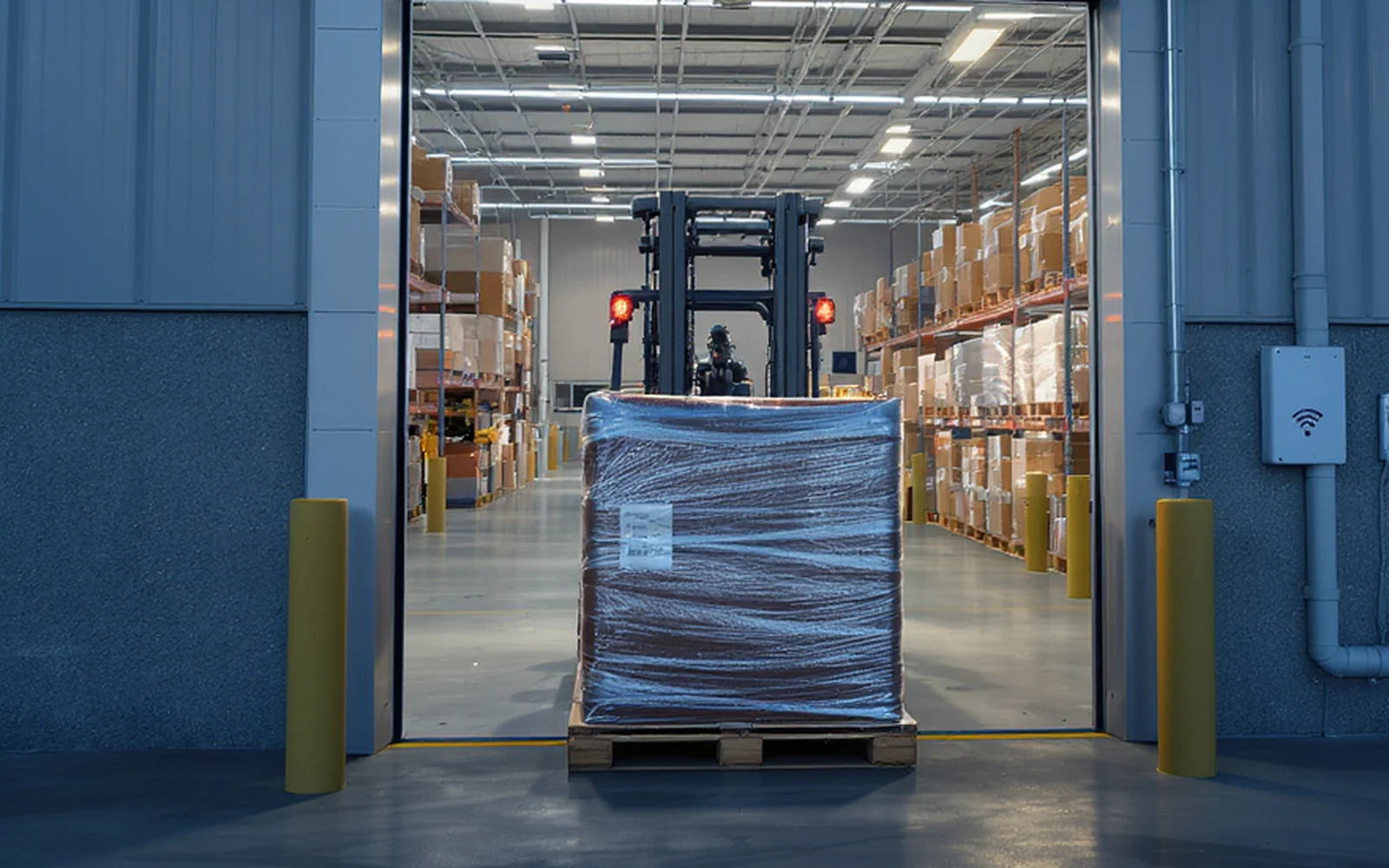
At most truck scales the process is the same: the truck stops, the operator writes down or types the plate, looks up the order, records the weight and authorizes the pass. Each of those steps takes time — and each one can go wrong.
The two problems with manual weighing
- Error. A mistyped plate ties the weight to the wrong truck. The difference shows up days later, in a reconciliation nobody can reconstruct.
- Trust. The record depends on a person. Double rounds, weights assigned to the wrong order, «adjusted» tickets — where data is declared by hand, data can be fixed by hand.
And there's a third one, paid daily: the queue. Every minute of typing per truck, multiplied by hundreds of trucks, is scale capacity lost.
How it works with RFID
Each vehicle carries a UHF tag — on the windshield or fixed to the chassis — with a unique serial number. An antenna at the weighbridge reads it automatically as the truck positions itself. The software ties everything into a single event: vehicle identified, weight captured from the scale, order associated, date and time. Nobody types anything.
First and second weighing associate themselves: the system knows it's the same truck, computes tare and net weight, and validates the sequence. A truck trying to weigh the same load twice, or skip a weighing, generates an exception — not a ticket.
That weighing is recorded in Ode, our control platform: each weigh-in is an event tied to the vehicle and its order, ready to audit or export to your ERP.
What changes in practice
- The scale cycle drops from minutes to seconds: the truck identifies itself on arrival, not when someone finishes typing.
- Every weight has evidence: that specific vehicle was physically on the scale at that time. The data is captured, not declared.
- Reconciliations stop being archaeology: the complete history per vehicle, order and carrier lives in the system.
Where it applies
Wherever there's a scale and volume: bulk cargo, agribusiness, sugar mills, recyclers, cement plants, cargo terminals. If your operation weighs trucks every day and the record still depends on a notebook or a keyboard, weighing is one of the points where automatic capture pays back fastest.
Where to start
With a pilot at one weighbridge: tags on a bounded fleet, one read point and metrics agreed before starting. With the cycle time and read rate measured in your real operation, scaling is a business decision.